Understanding the Key Pitfalls in Installing Your Sprinkler System
Setting up a sprinkler system for your lawn or garden can seem straightforward, but there are several common mistakes that can lead to inefficiencies and costly repairs. Avoiding these mistakes is crucial for ensuring that your system operates effectively and provides optimal coverage for your landscape. This guide will help you navigate the most frequent errors made during installation, allowing you to achieve a well-functioning irrigation system that meets your needs.
Selecting the Wrong Sprinkler Heads
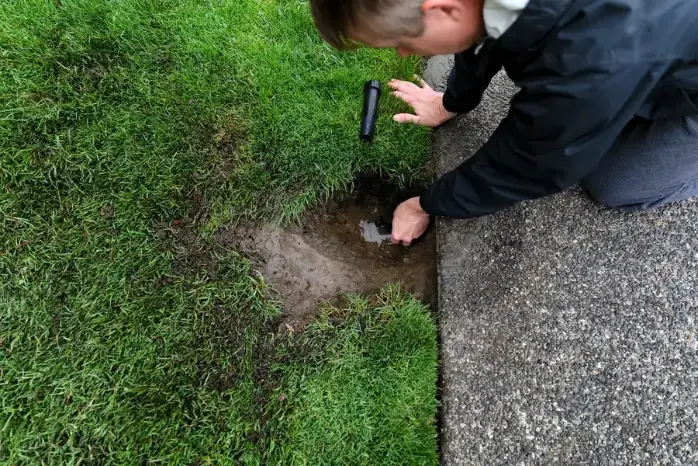
One common mistake during sprinkler system installation is choosing inappropriate sprinkler heads. It’s important to select the right type of head for each zone in your yard. For instance, rotor heads are ideal for larger areas, while spray heads work best for smaller spaces. Using the wrong type can result in uneven watering, leading to dry spots or water wastage.
Improperly Placing Pipes and Lines
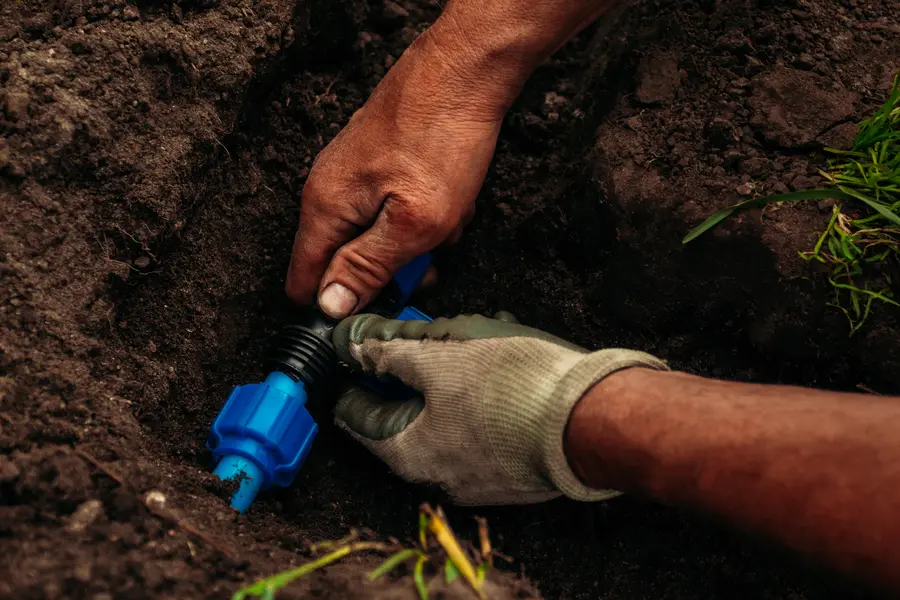
The placement of pipes and lines is crucial to a successful sprinkler system installation. Pipes should be buried at an appropriate depth to avoid damage from everyday activities like mowing. Additionally, ensure that lines are placed in a way that maximizes water distribution while minimizing overlap. Misplaced pipes can lead to uneven watering and require costly repairs.
Ignoring Water Pressure Limits
Every sprinkler system relies on adequate water pressure to function correctly. Before starting your project, test your home’s water pressure. Low pressure might necessitate adjustments, like adding a booster pump, while high pressure may require a pressure regulator. Ignoring this step can lead to underperforming sprinklers or even damage to the system.
Failing to Plan for Coverage Overlap
A critical aspect of sprinkler system design is ensuring proper coverage overlap. Overlapping ensures there are no dry patches in your lawn. A good rule of thumb is to have each sprinkler’s water reach the adjacent head. Failing to plan for this can result in uneven watering, where some areas receive too much water while others receive none.
Not Incorporating a Rain Sensor
Incorporating a rain sensor into your system can save both water and money by preventing unnecessary watering during rainfall. Many homeowners overlook this simple addition during installation, leading to overwatering and higher utility bills. A rain sensor automatically shuts off the system when it detects rainfall.
Skipping Regular Maintenance Checks
Once your sprinkler system is installed, regular maintenance is vital to keep it running efficiently. Common maintenance tasks include checking for leaks, adjusting sprinkler heads, and cleaning filters. Skipping these checks can lead to reduced efficiency and costly repairs down the line.
- Check for leaks regularly
- Adjust sprinkler heads as needed
- Clean filters periodically
- Ensure even water distribution
- Replace malfunctioning parts promptly
Ensuring Cost-Effective Long-Term Use
Consider the long-term costs associated with your sprinkler system. Using energy-efficient components and planning for future expansions can save money over time. Investing in quality materials and professional installation might have a higher upfront cost but often results in fewer repairs and lower water bills.
Your Path to Efficient Watering Systems
By avoiding these common mistakes, you ensure that your sprinkler system serves you effectively and efficiently. Proper planning, careful selection of components, and regular maintenance are keys to success. If you’re looking for expert assistance with your project, consider contacting Garcias Tree Service & Landscaping at (760) 472-1218. We specialize in creating efficient watering solutions tailored to your needs, serving clients throughout Oceanside, CA.